


Skatepark Archaeology: What If Archaeologists Studied Your Skatepark?
- Toni Frallicciardi

- Mar 10
- 5 min read
Scientists recently uncovered a buried skatepark while studying skatepark archaeology, a fascinating field where archaeologists study skate culture to understand how people lived, played, and built things. Imagine scientists digging in the ground and uncovering something strange.
Not dinosaur bones.
Not ancient pottery.
A skatepark.
That’s exactly what archaeologists recently did in Glasgow, Scotland, where they excavated a famous skatepark called Kelvin Wheelies that first opened in 1978.

The park had bowls, a halfpipe, and a slalom course and even hosted one of Scotland’s first skateboarding competitions. But after a few years it closed, was filled in with dirt, and slowly disappeared under grass and trees. For decades people walked right over it — without knowing a piece of skateboarding history was buried beneath their feet. Now scientists are digging it up again to understand how people lived, played, and built things in the 1970s skateboarding era.

Meet the Career: Archaeologist
An archaeologist is a scientist who studies human history by examining things people left behind. These objects are called artifacts.
Artifacts might include:
Tools
Toys
Buildings
Trash
Art
Bones
Even skateparks
Most people think archaeologists only study ancient civilizations like Egypt or Rome.
But there’s a newer field called:
Contemporary Archaeology
This means studying recent history — sometimes only a few decades old.
Scientists do this because culture can disappear quickly. Without studying it, important stories about communities and youth culture might be forgotten.
That’s why a skatepark can be just as important to history as a castle.
Skateparks Are Engineering Laboratories
To scientists, a skatepark is more than a playground.
It’s a giant physics experiment.
When you drop into a bowl:
1️⃣ Gravity pulls you downward
2️⃣ Potential energy becomes kinetic energy
3️⃣ Curved ramps keep you moving
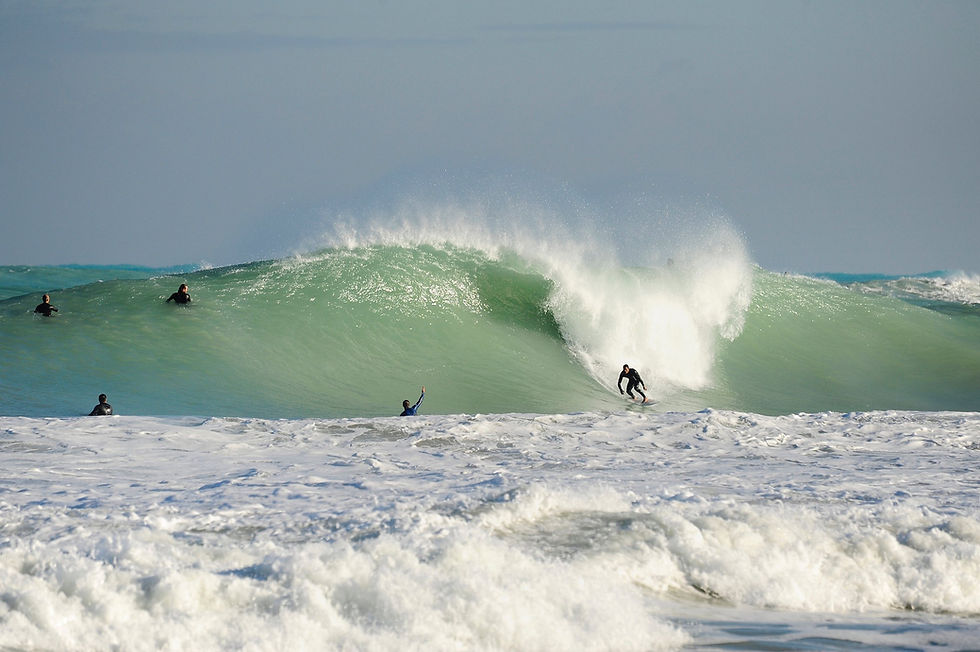
The shape of a bowl allows riders to pump for speed without pushing. That’s the same physics that helps surfers ride waves.
Engineers must carefully design the curves so riders:
Maintain speed
Land safely
Flow smoothly from ramp to ramp
This is why skateparks use smooth concrete transitions rather than sharp corners.
Even small changes in angles can affect how fast someone moves.
What Scientists Can Learn From Skateparks
When archaeologists study a skatepark, they look for clues — just like detectives.
Here are some examples.
Wheel Marks
Dark lines on concrete show where skaters rode the most.
Scientists call this wear patterns.
Similar wear patterns help archaeologists understand:
Ancient roads
Temple steps
Medieval castles
Graffiti and Art
Graffiti can reveal:
Skate crews
Local culture
Music and art influences
Objects Left Behind
Sometimes archaeologists find:
Broken wheels
Bearings
Stickers
Trash
These help show what life was like for skaters at the time.
Design Features
The Kelvin Wheelies park included bowls, halfpipes, and slalom courses that reflected the skateboarding style of the late 1970s That means the park itself tells a story about how skateboarding evolved.
The Surprising Story Behind Modern Skateboarding
Many people don’t realize this…
Modern skateboarding bowls were inspired by swimming pools. In the 1970s California had a major drought. People stopped filling their backyard pools. Skaters discovered the empty pools were perfect for riding curved walls. That helped create the vertical skateboarding style we see today.

This is a great example of how:
Environment + creativity = innovation.
Scientists Use Many Tools
Modern archaeologists don’t just dig with shovels. They use many different tools and methods to understand what happened in the past, including:
Small digging tools like trowels and brushes
Ground-scanning radar to see underground
3D mapping and drones
Photographs and digital archives
Stories from people who were there
And sometimes… trash!
Yes, even trash can be important.
The Candy Wrapper Clue and Skatepark Archaeology
During the excavation of the buried Kelvin Wheelies skatepark, scientists found something unexpected in the dirt — old candy and snack wrappers. These wrappers had expiration dates from 1983 printed on them.

That tiny clue helped archaeologists answer a big question:
When exactly was the skatepark buried and closed?
Because the wrappers were thrown away right before the park was filled in with dirt, scientists could confirm that the skatepark was covered up around 1983.
That’s called dating evidence.
Sometimes archaeologists date sites using:
pottery
coins
tools
bones
But in modern archaeology, scientists might date things using:
soda cans
snack wrappers
movie tickets
old magazines
Even a simple candy wrapper can become a scientific clue that solves a mystery.
That’s why archaeologists carefully record every object they find, even small pieces of trash.

Future Careers This Connects To
Studying something like a skatepark could lead to careers in:
Archaeology
Anthropology
Civil engineering
Urban planning
Sports science
Materials science
Architecture
Environmental science
At Surf Skate Science we love showing students how science connects to real life passions like surfing and skateboarding.
Surf Skate Science Challenge
Become a Skatepark Archaeologist
Next time you visit a skatepark, pretend you are a scientist from the future.
Bring a notebook.
Look carefully at the park.
Questions to Investigate
1️⃣ Where are the most wheel marks?
2️⃣ Which ramps look most used?
3️⃣ Are there stickers or graffiti?
4️⃣ Where do beginners skate vs experts?
5️⃣ How does the shape of the ramps affect speed?
Draw a Map
Sketch the park and label:
Trick zones
Rest areas
Flow lines
Beginner spots
Then ask yourself:
If archaeologists dug this park up 200 years from now…
What story would it tell?
Dig Deeper
Here are some resources to explore:
🔗 Original article: Read the PopSci article about archaeologists studying a skatepark and the Smithsonian Magazine article.
🎧 Podcast episode:Listen to the Weirdest Thing I Learned This Week episode about skateboard archaeology
📖 More about archaeology and skateboarding culture: What archaeologists can learn from skateboarders and Seven original 1970s skateparks that show why these urban treasures should be protected.
🔗 BBC News story about the candy wrapper discovery
🛹 Final Thought
Thousands of years from now, scientists might dig up the places we ride today.
They might study:
Wheel marks in concrete
Old stickers
The shape of the bowls
Photos of skaters flying through the air
And they’ll ask one question:
What kind of people built places like this?
The answer?
Creative ones.
Curious ones.
Kids who turned playgrounds into laboratories.
Just like Surf Skate Science students.

Comments